Authentic Vegan Korean Temple-Style Vegetable Pancakes (Yachaejeon)
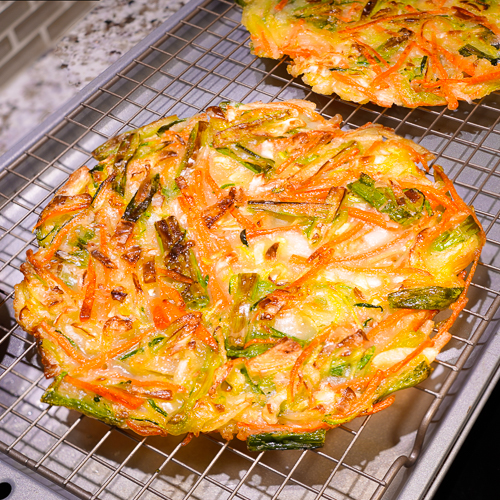
Image Source: LookCatchu
Introduction
Discover the subtle, clean flavors of Korean temple cuisine with this recipe for vegan Korean temple-style vegetable pancakes (Yachaejeon), made without garlic or onions. Imagine a serene temple garden blanketed in morning mist—the earthy aromas, the crisp mountain air. Now, imagine tasting that tranquility in every bite. As a professional chef with a passion for plant-based Asian traditions, I’m thrilled to guide you through the art of Yachaejeon, a dish rooted in mindful eating and noble simplicity.
If you’ve searched for a truly vegan Korean temple-style vegetable pancakes recipe—one that’s authentically light, sans alliums, and bursting with vegetable sweetness—this post is your treasure map. Today you’ll not only learn the centuries-old method for tender, crisp-edged pancakes, but also chef-level prep, ingredient swaps, kitchen science, and the philosophy of Seon (Zen) cooking woven throughout Korean monasteries. Whether you’re vegan, exploring clean eating, or seeking an elegant appetizer, prepare to unlock a new realm of balanced flavor and peaceful satisfaction.
My kitchen mantra? When you cook simply and with care, every ingredient shines. This recipe puts that belief into action.
Recipe Overview
- Prep time: 18 minutes
- Cook time: 15 minutes
- Total time: 33 minutes
- Servings: 4 (about 12 pancakes)
Yachaejeon (야채전) is a beloved variety of jeon—savory vegetable pancakes—originating from Korea’s monastic cuisine. Unlike celebratory pajeon or haemul jeon, temple-style Yachaejeon follows strict Buddhist dietary guidelines, omitting garlic, onions, scallions, leeks, and chives (called “osinchae”) to foster calmness and clarity. This practice honors the ethos of “bal-woo gongyang” (bowl meal sharing) and mindful, seasonal eating.
What Makes This Pancake Unique?Our vegan Korean temple-style vegetable pancakes are delightfully crisp on the outside, with pillowy, moist interiors that celebrate the natural taste of each vegetable. The vegan, allium-free batter allows the subtle notes of zucchini, carrot, and mushroom to truly shine. No overpowering aromatics—just harmony. High in fiber, low in oil, and completely plant-based, this dish is a nourishing addition to your Korean food repertoire!
Perfect For:- Appetizers and light lunches
- Kid-friendly meals
- Festive gatherings
- Meal prep (great for make-ahead!)
- Buddhist or macrobiotic diets
Related long-tail keywords: healthy Korean vegetable pancakes, allium-free Korean recipes, jeon without onions.
Ingredients
What You'll Need
| Ingredient | Measurement |
| Zucchini, julienned | 1 small (about 120g) |
| Carrot, julienned | 1/2 medium (about 60g) |
| King oyster (or shiitake) mushrooms, sliced | 75g (about 2 medium) |
| Red bell pepper, thinly sliced | 1/3 medium (35g) |
| Firm tofu, crumbled | 80g (1/3 block) |
| All-purpose flour | 90g (3/4 cup) |
| Sweet rice flour (or cornstarch) | 30g (2.5 Tbsp) |
| Sea salt (fine) | 1/2 tsp |
| Filtered water | 125-135ml (1/2 cup + 1 Tbsp) |
| Neutral oil (for frying) | As needed |
- Mushrooms: King oyster create meaty “strands”; shiitake or cremini also work well.
- Tofu: Adds protein and binds without eggs; silken tofu can work in a pinch.
- Sweet rice flour: Also called mochiko, this boosts crispness. Cornstarch or potato starch are fine alternatives.
- Red bell pepper: Optional, but a splash of color and sweetness.
- Gluten-Free Pancakes: Use a 1-to-1 gluten-free blend plus rice flour for binding.
- Asian supermarkets for sweet rice flour and king oyster mushrooms.
- Organic or local produce markets for seasonal vegetables.
- All ingredients store well for 4–7 days refrigerated, covered in paper towels.
Related: vegan jeon ingredients, vegetarian Korean pancake supplies, substitute for sweet rice flour
Step-by-Step Instructions
How to Make Vegan Korean Temple-Style Vegetable Pancakes
-
Prepare vegetables:
Julienne zucchini and carrot into fine matchsticks (3-4cm long). Slice mushrooms thinly and bell pepper into strips.
Chef’s tip: Uniform sizing helps pancakes cook evenly and retain structural integrity. -
Crumble tofu:
Pat tofu dry with a towel, then crumble into pea-sized pieces. This adds moisture and light protein.
Pro insight: Squeeze extra liquid out if your tofu is wet; excess moisture can make pancakes soggy! -
Mix dry batter ingredients:
In a large bowl, whisk together all-purpose flour, sweet rice flour, and sea salt.
Chef’s note: Rice flour is the crisp-delivering secret for authentic Korean pancakes. -
Combine and adjust batter:
Add vegetables and tofu to the bowl. Gradually pour in water, stirring until you have a thick but pourable batter that just coats the veggies. Add an extra tablespoon of water if needed—consistency is key.
Visual cues: Mixture should look like slaw suspended in batter, not soupy! -
Heat skillet & oil:
Preheat a nonstick or cast iron skillet over medium (not high) heat. Add 1.5 Tbsp neutral oil and swirl to coat.
Chef’s tip: Too hot, and the outside burns before the pancake cooks through. -
Portion and fry pancakes:
Scoop 2 Tbsp batter per pancake onto skillet, flatten to ~1cm thick, spacing them apart. Fry for 2½-3 min until golden underneath. -
Flip and finish:
Gently flip pancakes. Cook another 2 min until the second side is crisp and golden, with edges slightly fanned and center firm.
Mistake to avoid: Crowding pan—leave space for even crisping! -
Drain and repeat:
Transfer cooked pancakes to a rack or paper towel. Repeat with remaining batter, adding more oil as needed. Serve hot.
Equipment recommendations: A well-seasoned nonstick or cast iron skillet ensures even browning and easy release. Use an offset spatula for the most delicate flipping.
Temperature & Timing: Medium heat (not high!), 2½–3 min per side, keep pancakes thin for ideal crispness.
Semantic keywords: vegan batter, pan-frying, julienned vegetables, savory pancakes, nonstick skillet, crisp texture, Korean vegetarian meal, one-bowl recipe
Expert Tips & Variations
Master Chef Techniques & Upgrades
- Ultra-Crisp Edges: For extra crunch, drizzle a bit more oil around the pancake base mid-fry (Korean “tul” method for jeon).
- Steamer Finish: For the fluffiest interior, briefly steam covered for 40 seconds once both sides are crisp.
- Precision Slicing: Mandoline or julienne peeler = quick, uniform veggie prep.
- Flavor Layering: Add a pinch of toasted sesame seeds or finely shredded nori to the batter for earthy umami notes.
Variations
- Seasonal Additions: Try shredded cabbage, spinach, or thinly sliced sweet potato in winter. For spring, use wild greens or edible flowers.
- Gluten-Free Version: Replace flour with 1:1 GF blend + more rice flour for crunch.
- Protein Power: Add hemp seeds, chopped soaked edamame, or cooked chickpeas for texture and a boost of plant protein.
- Low-FODMAP Adaptation: Stick to FODMAP-friendly vegetables & ensure firm tofu is drained.
Make-Ahead, Scaling & Storage
- Make-Ahead: Prep vegetables and mix dry batter the night before. Combine just before frying for peak crispness. Refrigerate pre-mixed batter max 4 hours (it will loosen with time).
- Scaling: For a crowd, double or triple all batter formula ingredients; use 2 pans for speed. For kids/solo cooks, halve for a quick snack.
- Storage: Hold cooled pancakes in fridge up to 2 days, layered between parchment. Reheat in a dry, hot pan or toaster oven for revived crispness. Avoid microwaving for texture.
Chef’s Choice Upgrades: Substitute a few drops of truffle oil, or a spoonful of wild greens foraged in spring for a luxury twist.
Troubleshooting: If pancakes stick, your pan isn’t hot enough or needs more oil. If floppy, add 1 Tbsp more flour or rice flour to batter for better structure—rice flour absorbs surface moisture and forms a barrier for crust formation!
Nutritional Information & Health Benefits
Per serving (3 pancakes):
Calories: ~165
Carbohydrates: 29g | Protein: 5g | Fat: 3g | Fiber: 2.8g
Sodium: 180mg | Sugar: 2g
Calories: ~165
Carbohydrates: 29g | Protein: 5g | Fat: 3g | Fiber: 2.8g
Sodium: 180mg | Sugar: 2g
- Low in oil—uses tofu as a binder instead of eggs or lots of oil.
- Diverse micronutrients: Zucchini and carrots deliver Vitamin A, potassium, and antioxidants. Mushrooms provide B vitamins, selenium, and anti-inflammatory compounds.
- High-fiber, supporting digestion and glycemic balance.
- Dietary tags: Vegan, vegetarian, nut-free, dairy-free, can be gluten-free.
- No added sugars, minimal sodium—a heart-healthy appetizer or main.
Why go allium-free? Korean Buddhist cuisine avoids garlic/onions for clearer digestion and spiritual focus. For home cooks, it means discovering the natural “umami” of veggies.
Macros per serving optimized for light, sustained energy. No cholesterol and entirely plant-powered!
Serving Suggestions & Pairings
- Traditional dip: Serve with a light soy dipping sauce—try 2 Tbsp soy sauce, 1 Tbsp rice vinegar, a few drops of toasted sesame oil, and a sprinkle of toasted sesame seeds.
- Mix & match: Pair with simple rice, cucumber kimchi, or a seaweed salad for a balanced meal.
- Beverages: Try with barley tea (boricha), light green tea, or a dry prosecco for a festive twist.
- Presentation: Plate on a bamboo tray with seasonal herbs (perilla, chive blossoms), or cut into triangles for easy sharing.
- Seasonal: Serve warm in chilly weather or room-temp for picnics & spring garden parties.
Garnishing ideas: Shredded radish, microgreens, or a sprinkle of black sesame seeds elevate both color and nutrition.
Frequently Asked Questions
What is the secret to crispy vegan Korean temple-style vegetable pancakes?
A balanced mix of sweet rice flour and proper batter hydration delivers that signature crispy-yet-chewy texture. Don’t overcrowd your pan, and keep pancakes thin for the best results!
Can I make these pancakes gluten-free?
Absolutely—use a gluten-free 1:1 all-purpose blend for the wheat flour, and increase sweet rice (or potato) starch by 1–2 Tbsp for optimal binding and crunch. These remain chewy and delicious!
What vegetables work best in allium-free Korean pancakes?
Zucchini, carrot, king oyster mushrooms, and bell pepper are the temple classics. Feel free to use tender greens, shredded cabbage, or seasonal wild herbs—just slice thin for even cooking.
Why avoid garlic and onions in temple-style jeon?
In traditional Korean temple cuisine (and much Buddhist cooking), “osinchae” (five pungent roots) are omitted for clarity of mind and spirit. This allium-free approach lets you taste “vegetable umami” and digest lightly.
How do I store and reheat leftovers without losing crispness?
Layer cooled pancakes with parchment, refrigerate 1–2 days. Reheat on a dry skillet or air fryer at 350°F for 3–4 min for restored texture; avoid the microwave for best crunch!
More search intent questions: allium-free Korean pancake, how to cook vegan jeon, traditional Buddhist vegetable dishes, meal prep jeon
Conclusion
Embracing vegan Korean temple-style vegetable pancakes means savoring the quiet essence of each simple ingredient—without overwhelm. This recipe honors tradition while empowering today’s home cook to create a light, nourishing, allium-free feast. Whether you’re sharing with loved ones or nurturing yourself, these pancakes offer mindful flavor and universal appeal.
If you loved this vegan Korean temple-style vegetable pancakes recipe, please leave a comment below, rate the recipe, or share it on social media—your feedback inspires more mindful cooking for all. Now, channel your inner temple chef and discover the joy of pure, plant-based flavor!
What’s your favorite allium-free dish? Have you tried temple cuisine?
Share your thoughts and photos below!
Share your thoughts and photos below!